
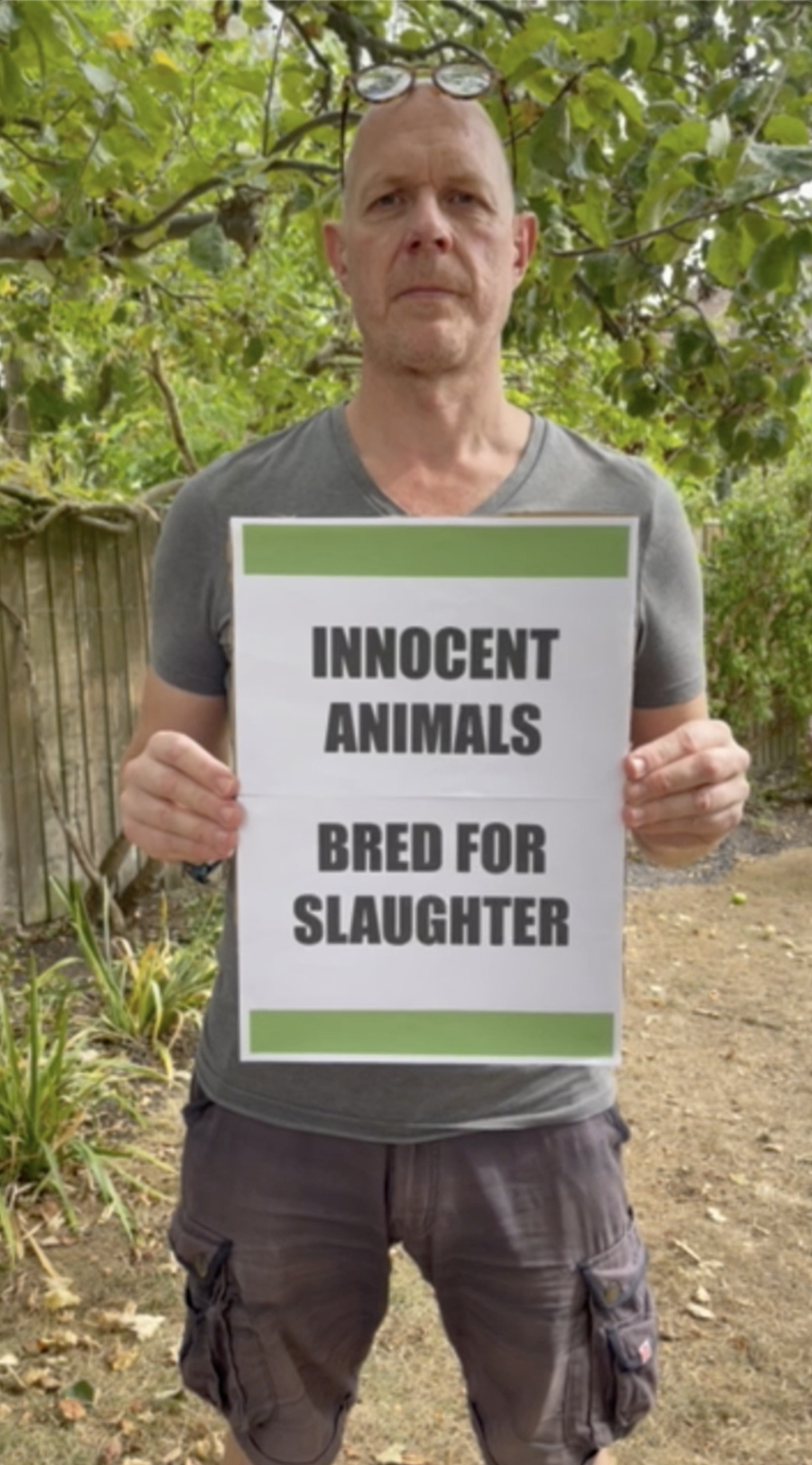
In a world where billions of animals are bred simply to be killed, the media often treats compassion as a comedy or a crime.
Vegan advocates are painted as “preachy” “militant” or “out of touch”, while the real brutality of factory farming is framed as unavoidable.
But the global currents tell a different story — one of rising demand, shifting corporate practice, and media resistance trying to smother change.
For most of human history, meat was a luxury, a ritual or an occasional indulgence. It is only in the 20th and 21st centuries, with industrial farming, mass subsidies, global supply chains, and changing diets, that eating meat daily has become seen as normal. Along with this dietary shift came spikes in chronic disease — heart disease, type 2 diabetes, some cancers — linked to high animal-product consumption. As well as increasing health risks, the change hastened ecological collapse, climate emissions and biodiversity loss.
For some or all of these reasons, many people are turning towards a plant-based diet – and food retailers are responding.
In a global survey by The Vegan Society and others, in 2021, 88% of food industry practitioners expected demand for plant-based products to increase; 74% believed consumers were choosing plant-based largely for health, 60% for environmental reasons. That suggests the shift is already baked into supply-chain expectations.
According to a recent global report, in 2024 the vegan food market had an estimated size of USD 56.99 billion, and it is projected to grow to USD 108.55 billion by 2029 — a compound annual growth rate of about 14.1%. This isn’t niche shelf-space in health food shops: the Business Research Company’s 2025 Global Market Report on plant-based food indicated that supermarkets, hypermarkets, and mass retailers are expanding their vegan offerings everywhere, from Asia-Pacific to Latin America, from North America to Europe.
Veganuary has become a global phenomenon. In January 2025, approximately 25.8 million people worldwide took part, trying a vegan diet for a month. Of those participants, around 81% said they plan to reduce their animal-product consumption longer term, with a notable share aiming to remain fully vegan.
These numbers reveal something important: the shift isn’t about force or guilt-tripping. It’s about people choosing differently, in their millions. Consumer demand is pushing retailers to respond; plant-based options are no longer marginal.
But with rising demand comes rising pushback — often from media outlets that frame this change as alarming or morally confusing. Several academic studies show that vegans, vegan diets, or campaigns to reduce animal product consumption are framed in ways that discourage empathy or rational debate — instead emphasising extremes, ridicule or cultural conflict.
- A qualitative study in Denmark (2023-24) analysed major Danish newspapers and found that veganism is routinely framed in binary oppositions: advocates vs extremists; modern ethics vs traditional culture. This frame marginalises moral voices and presents vegan ethics as “outside the norm,” odd, or radical.
- A study in the US found that labels “vegan” or “vegetarian” can cause negative bias: some consumers avoid labelled items even when the food is identical, purely based on prejudice or preconception. Media stories that emphasise “risk”, “deficiency”, or “extreme health claims” fuel those preconceptions.
Why this matters: Demand, Denial, Decision
So: the demand is here. People are choosing differently. Retailers are responding. Global markets are growing fast. But much of the mainstream press acts as if this were a threat rather than a reflection of public values shifting. Why?
- Because moral discomfort is inconvenient. It forces reflection on what we eat, how we live, and how industries operate.
- Because industries (meat, dairy, animal agriculture) have power, profit, and political influence — they benefit when the story continues to be about the “radical few”, not systemic cruelty.
- Because framing matters: if the public hears “vegans are extreme”, “plant-based diets are risky”’ “meat culture under attack”, many are deterred, confused, or turned off before they even consider the facts.
Toward honest conversation and incremental change
Change doesn’t need to be total overnight. But it begins when what is normal is questioned. When supermarkets make vegan options prominent. When people try plant-based eating without shame or disbelief. When press coverage acknowledges data — that millions participate in Veganuary, that industry expects rising demand, that markets show this.
By reducing consumption — even modestly — people can shift habits. By speaking truth about what animal industrialisation really costs (morally, environmentally, health-wise), we can demand better.
Vegans are often accused of preaching extreme moral values. But what’s truly extreme is the media attitude to billions of animals being bred for slaughter; ecosystems stressed; human health compromised.
The media can’t credibly act as though veganism is fringe when markets, surveys, and millions of people say it isn’t. Compassion isn’t preachy. Silence in the face of suffering is.