
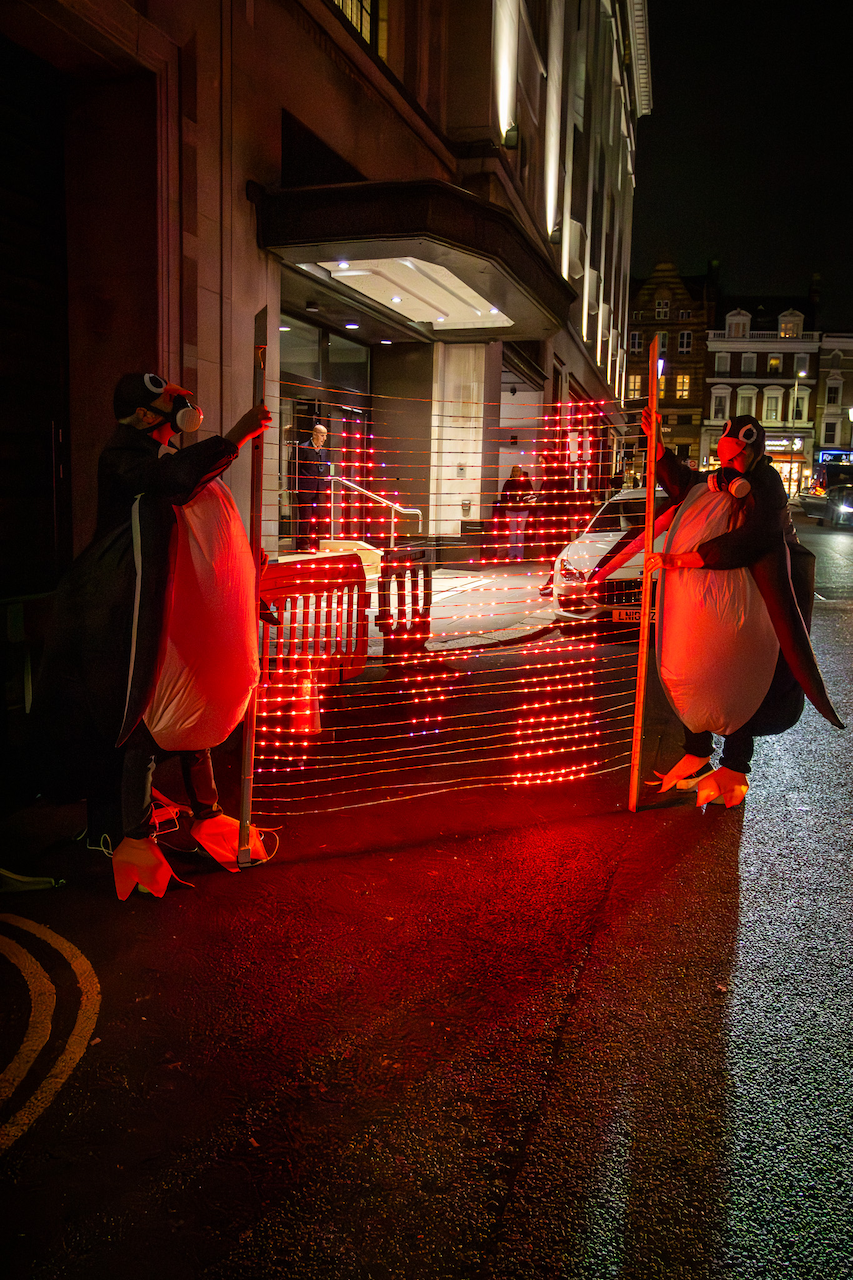
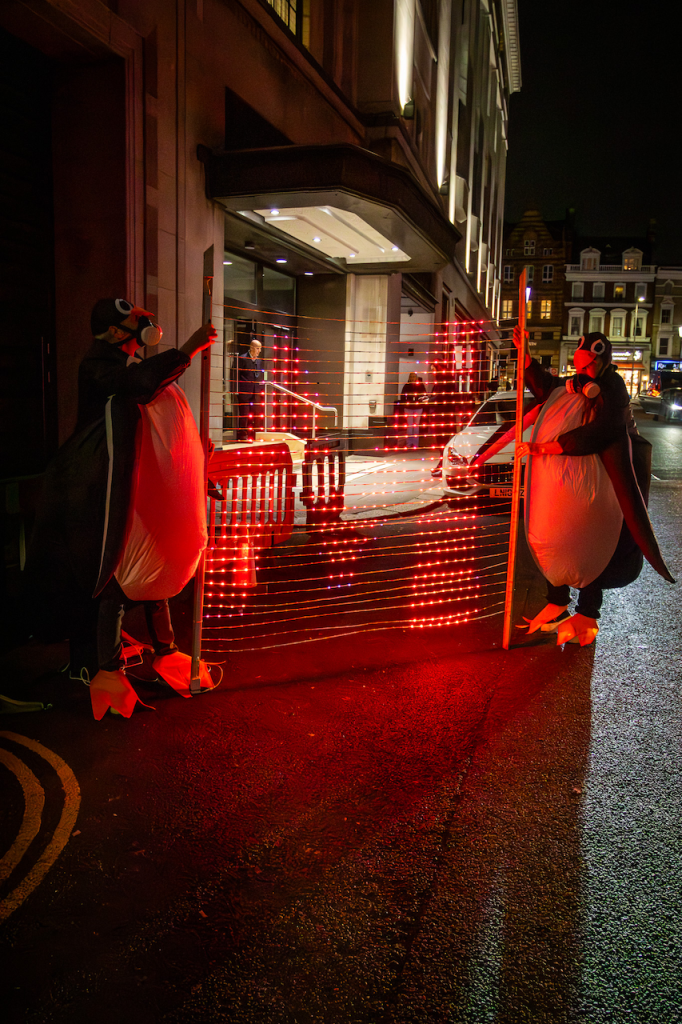
Penguins aren’t the most obvious symbol of resistance against media corruption – but they’ve become a powerful motif.
The story of how this came about exemplifies the spirit and humour of protesters standing up against an authoritarian state.
In May 2013 a wave of demonstrations, strikes and civil unrest flared up in Turkey, which all began when police used tear gas and water cannon to break up a peaceful sit-in opposing the redevelopment of Istanbul’s Gezi Park.
Over the next few days, anger at the disproportionate police violence snowballed into large-scale protests against the government’s attacks on civil liberties. As well as a growing activist rebellion in Istanbul, there were marches and occupations in the capital, Ankara, and many other Turkish cities. News of the uprising was reported around the world.
But on June 2, as the international broadcaster CNN screened live footage of police clashing with demonstrators in Istanbul, its Turkish partner, CNN Turk, decided to broadcast a wildlife documentary about penguins instead.
This was a bit of an own goal for the national TV station, as ‘Penguen’ was the name of a popular satirical magazine in Turkey, often penalised for poking fun at prime minister Erdogan.
The protest movement immediately picked up the penguin motif as an ironic visual emblem representing (and ridiculing) both media self-censorship and government influence over news coverage. Graffiti images of penguins in gas masks began appearing, penguin cartoons and memes went viral on social media, and demonstrators started wearing penguin masks or T-shirts with the slogan ‘We are all penguins’.
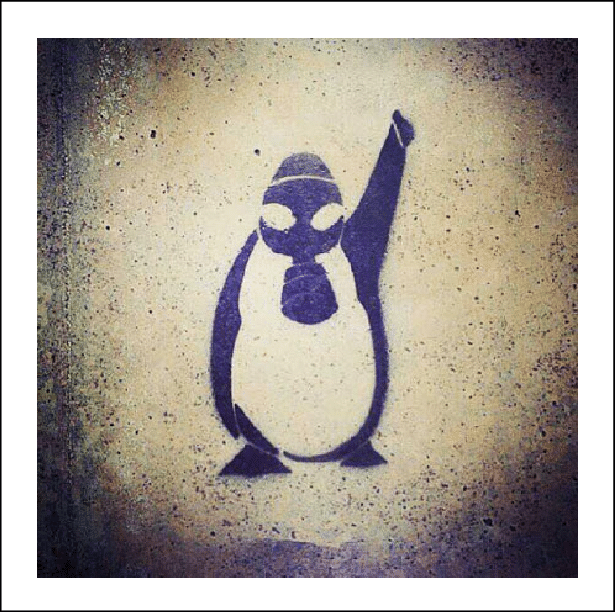
The news blackout also backfired, as everyone knew about the protests, and it was obvious that the TV, radio and most newspapers were deliberately ignoring them. By failing to cover the anti-government uprising (which was everywhere on social media), Turkey’s mainstream press and broadcasters lost credibility and public trust – and spurred on more people to join the rebellion.
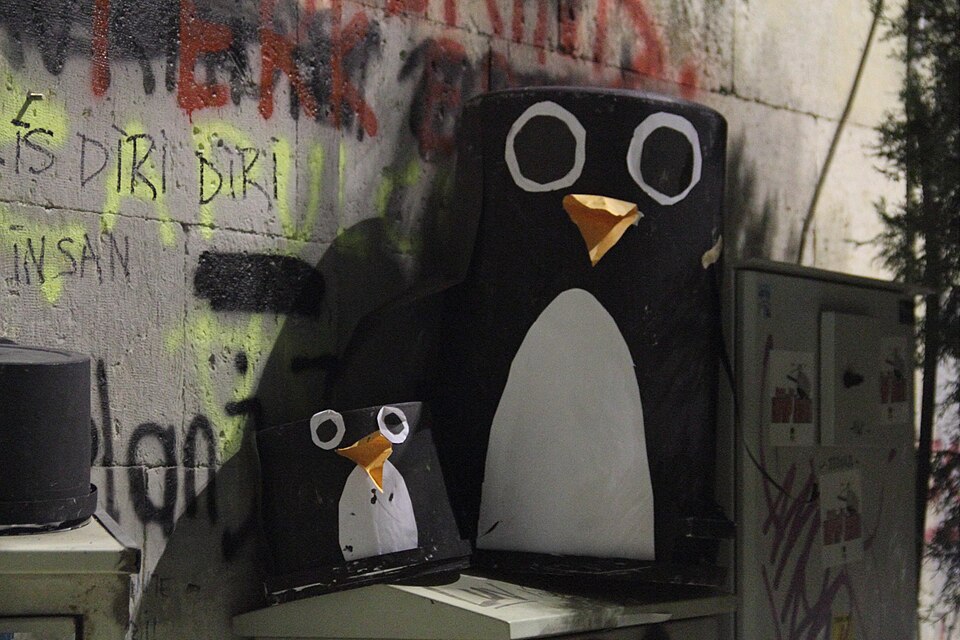
Ever since the Gezi Park incident and its aftermath, the penguin has been a satirical symbol of government control over media coverage in Turkey. When TV and newspapers turn a blind eye to potentially damaging stories about the government, covering trivial or irrelevant news instead, this is known as ‘penguinisation’.
And this is why Media Revolution activists have dressed up in penguin costumes for video stunts to mark Media Liberation Day and the beginning of a new Media Consumer Union – Touch Paper – and social network ‘Mo-Me’. Well, it’s also partly because penguins are distinctive, quirky, comical and also very cool. But mainly because the Turkish media cover-up over Gezi Park has so many equivalents in today’s global press, broadcast and online channels; the public are being routinely kept in the dark about vital information, lied to for political purposes, and distracted by PR froth,celebrity trivia and fake AI-generated propaganda masquerading as ‘news’.
Media Revolution takes inspiration and impetus from the way the Turkish protesters seized upon that first incident of ‘penguinisation’, flipped the script and used it to ridicule the government-compliant media. They turned the penguin into a symbol of resistance and resilience, representing the power of real news and communication when it’s freed from political spin and corporate influence.
Today, we are all penguins.